
Why Does My Automatic Car Clunk When I Shift Into Drive or Reverse?
Loud clunk or bang when you move the lever from Park or Neutral into Drive or Reverse? What causes it, what is harmless, what to check first, and when to see a gearbox specialist.
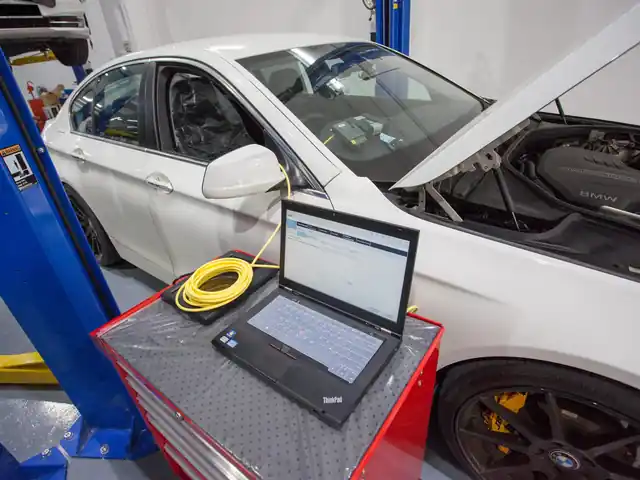
In short: A soft, brief thump when an automatic car engages Drive or Reverse can be normal, especially when the engine is cold. A loud clunk or bang, a jolt that is getting worse, or a clunk together with a delay, slipping or a warning light is not normal. The cause may be in the gearbox, but it can also be a worn engine or gearbox mount, a high idle or low gearbox oil, so it is worth finding out which before the damage grows.
What is a normal engagement and what is a clunk?
When you move the lever from Park or Neutral into Drive or Reverse, the gearbox has to apply a clutch or band to start transmitting power. A gentle, short engagement that you feel more than hear is usually normal. A clunk is a sharp knock or bang that you can feel through the seat or hear from under the car, and that is a different thing. If it only happens occasionally on a cold start and then settles, mention it at the next service. If it happens every time or is getting stronger, have it checked.
What can cause a clunk when shifting into Drive or Reverse?
There is no single cause. The common ones a workshop looks at are:
- Worn engine or gearbox mounts. The mounts hold the drivetrain in place. When they are worn, the engine and gearbox rock when torque is applied, and the movement can sound like a clunk even when the gearbox itself is fine.
- Low or old gearbox oil. Oil that is low, burnt or very old can make engagement harsh. See how to check automatic gearbox fluid and how often to change gearbox oil.
- A high engine idle. If the engine idles faster than it should, the gearbox engages with more force. This is an engine-side fault, not a gearbox one.
- Worn gearbox internals. Worn clutches, a failing valve body or solenoid, or a pressure problem can make engagement harsh or late. Our guide on shift solenoids and the valve body explains how those parts work.
- Driveline play. Worn driveshaft joints, differential parts or loose fasteners can clunk when load is applied and released. These sit outside the gearbox.
Is the clunk from the gearbox or from somewhere else?
This is the hard part, and it is why guessing is expensive. Some clues help, but none of them is proof:
- A clunk that happens only when you change the lever, with the car standing still, often points at engagement or at a mount.
- A clunk that you also feel when you lift off and press the accelerator while driving points more towards driveline play or a mount.
- A clunk together with a flare of engine revs, a delay before the car moves or slipping points more towards the gearbox. See lack of response and car will not move in Drive or Reverse.
- A transmission warning light together with the clunk means a fault may be stored. See transmission warning light.
What can you check yourself?
- Does it happen cold, warm or both? Note it, because it helps the person who diagnoses it.
- Is the car held on the brake when you shift? Shifting while the car is still rolling, or with your foot off the brake, can make a harsher engagement. The gear selector guide covers the habits to avoid.
- Is the gearbox oil level and colour right? Only if your car has a dipstick and the owner manual shows how to check it. Many gearboxes are sealed.
- Are there leaks or burning smells under the car? Both are worth mentioning.
Do not try to fix a clunk by adding oil or additives. The wrong oil or level can make a gearbox fault worse.
Is it safe to keep driving with a clunk?
A single soft thump that does not change is usually not urgent. A loud clunk that is getting worse, or any clunk with slipping, a delay, a warning light or a burning smell, is a reason to stop driving it hard and get it checked. If the car cannot move, free towing is available in office hours.
How does Jacky find the cause of a clunk?
Jacky diagnoses, tests and inspects every car himself. That means reading the fault codes, checking the gearbox oil, road-testing the car to reproduce the clunk and looking at the mounts and driveline before anything is dismantled, so you are not told to overhaul a gearbox when a mount is the cause. The pre-repair diagnostic is from S$30, you get the fault and the price before any work starts, and repairs come with a 6-month warranty. See gearbox repair and gearbox servicing.
Not sure what your gearbox needs?
Jacky diagnoses and tests the gearbox himself and tells you the fault and the price before any work starts. Pre-repair diagnostic from S$30.
Questions
Is it normal for an automatic car to clunk when shifting into Drive?
Can worn engine mounts cause a clunk when shifting into Drive or Reverse?
Can low or old gearbox oil cause a clunk?
Should I keep driving if my car clunks into gear?
How much does it cost to find out why my car clunks?
Related services
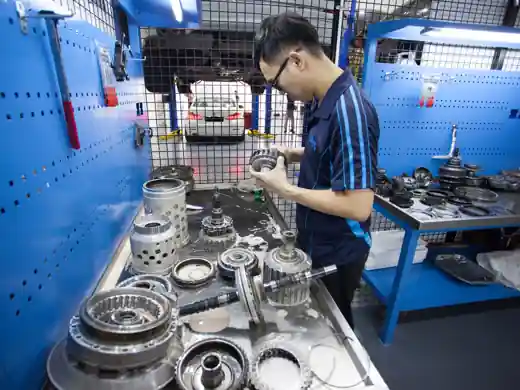
Gearbox Repair & Overhaul
We have a full range of diagnostic tools specialising in auto transmission to accurately identify the root cause.…
Learn more →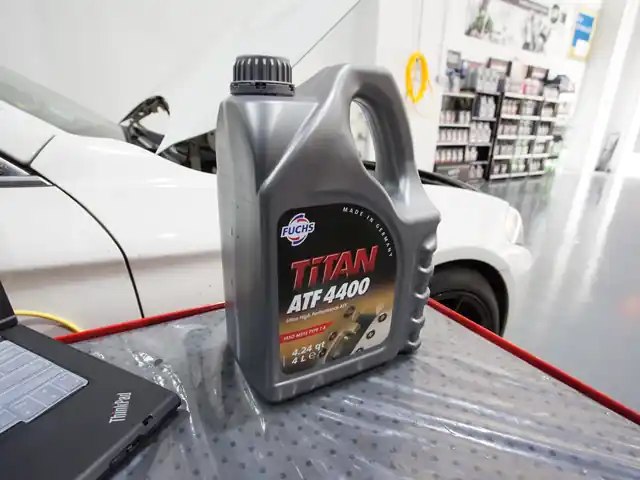
Gearbox Maintenance & Servicing
Regular servicing of the auto transmission is as important as servicing the engine. We only use the manufacturer’s…
Learn more →Related gearbox problems
Lack of response
You press the accelerator and the car hesitates, or there is a delay before it goes into Drive or Reverse.
What it means →Car won’t move in Drive or Reverse
The engine starts and runs, but the car doesn’t move, or barely moves, when you select Drive or Reverse.
What it means →Transmission check light on
The engine or transmission check light comes on while driving. Some cars also hold one gear (often called “limp mode”) to protect the gearbox.
What it means →More articles
Drove Your Automatic Car Through Flood Water? What to Do About the Gearbox
Drove your automatic car through flood water in Singapore? Why water in the gearbox is serious, what to do first, what not to do, and when to ask a gearbox specialist.
Read article →9 November 2026Why Does My Automatic Car Roll Back on a Slope?
Automatic car rolls back on a slope before it moves off? A small roll is normal, a long one is not. What causes it, what to check first, and when to see a gearbox specialist.
Read article →7 November 2026Can a Weak Car Battery Cause Gearbox Problems?
A weak battery or failing alternator can make an automatic gearbox shift oddly and light up warning lights. What to check first, and when it is the gearbox itself.
Read article →